Basket
0
A Practical Guide to Getting the Most From Your Living Soil Amendment
A Note on Freshness
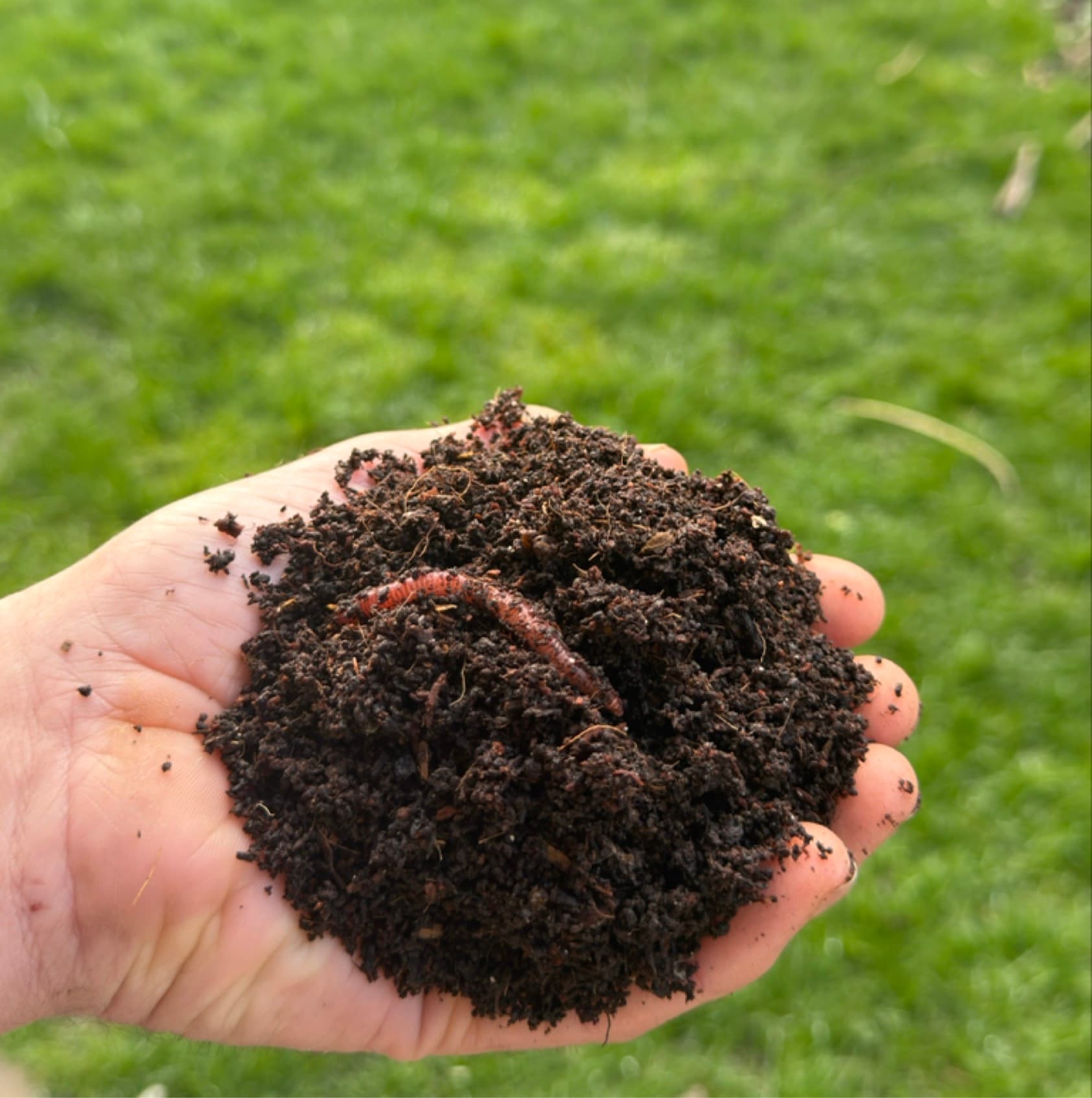
Worm castings are not just fertiliser; they are alive. Our organic vermicompost is packed with beneficial microbes that actively promote plant growth and soil vitality. Because of this, you should use your castings within a few days of arrival. Quick use ensures that the microbial life remains active, potent, and ready to work for your garden.
Soil Amendment: Feeding the Earth
To give your garden or houseplants a microbial boost, you have two easy options. You can mix the worm castings directly into your soil, or you can "top dress" by sprinkling a layer around the base of your plants.
Once you have applied the castings, water the area thoroughly. Ideally, you should use rainwater or dechlorinated water. Tap water often contains chlorine which can harm delicate microbial communities, so it is best to avoid it when possible.
Pro tip: If you only have access to tap water, let it sit in an open container for 24 hours before using it. This allows the chlorine to evaporate naturally.
Soil or Potting Mix: The 10-20% Rule
When you are preparing a new soil mix, add 10% to 20% worm castings by volume. Whether you are filling indoor pots, balcony containers, or raised garden beds, this specific range delivers excellent results without wasting product.
While using up to 50% will not necessarily kill your plants, studies suggest that the benefits plateau after the 20% mark. In fact, going beyond 50% can sometimes stifle growth rather than help it. Stick to the sweet spot for the best results.
This ratio works great in:
- Seed-starting mixes
- Compost blends
- DIY garden soil recipes
If you are new to composting and want to understand how worm castings fit into the bigger picture, our beginner's guide to starting a worm bin is a good place to start.
Transplanting: A Healthy Head Start
Moving plants to a new location or pot can be stressful for them. Worm castings help reduce this "transplant shock" and encourage stronger, faster root development.
Here is the best way to do it:
- Dig a hole slightly larger than the plant's current container.
- Add a generous handful of worm castings into the bottom of the hole.
- Place the plant inside and fill the remaining space with a blend of soil and more castings.
This method creates a nutrient-rich pocket that supports early root establishment and helps your plant settle in quickly.
Worm Casting Tea: Liquid Gold for Plants
Brewing a compost tea from worm castings is a fantastic way to extend their value. This process delivers nutrients and microbial life straight to the roots or even the leaves.
How to Make It:
- Fill a 20-litre bucket with rainwater or dechlorinated water.
- Add 0.5 litres of worm castings.
- Aerate the mixture with a blower or aquarium pump for 24 to 48 hours.
The aeration process is vital. It multiplies the microbes, turning the water into a rich, living liquid fertiliser.
How to Apply It:
- Soil Soak: Apply the liquid directly to the soil. You can use it full strength or dilute it up to 1:20 with rainwater.
- Foliage Spray: Strain the tea thoroughly using a fine mesh (like a paint strainer) to prevent clogging. Dilute the liquid between 1:5 and 1:20, then apply it to the leaves with a misting spray.
Important: Worm tea is time-sensitive. You must use it immediately after brewing. Once the liquid stops moving and loses oxygen, it becomes anaerobic. If this happens, it can actually harm your plants instead of helping them.
Where Do Worm Castings Come From?
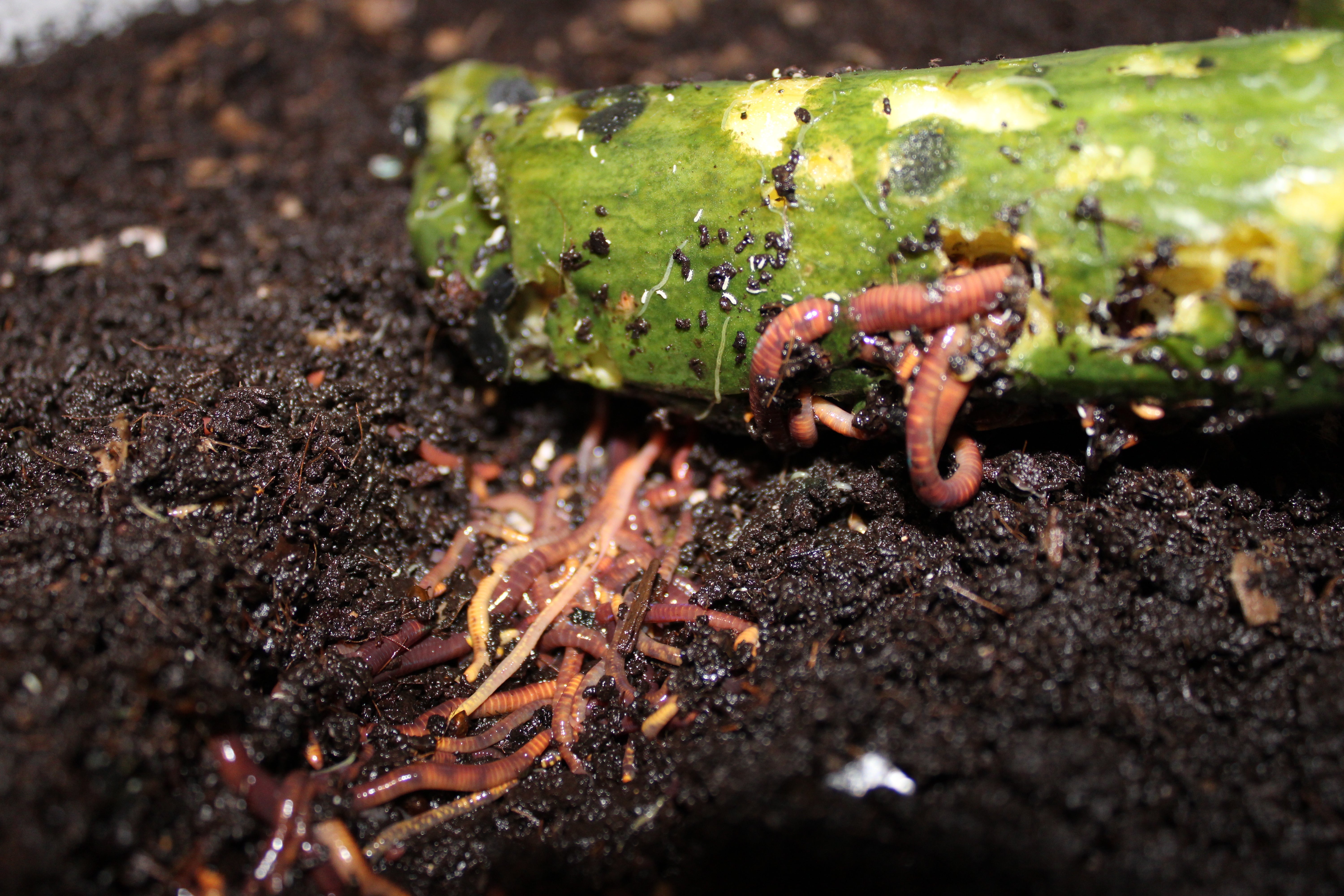
If you are curious about how castings are actually made, it all starts with the worms themselves. Composting worms — particularly Dendrobaena and Eisenia fetida — process organic matter and produce castings as a byproduct. The whole process is called vermicomposting, and it is surprisingly simple to do at home. Our guide to starting your own worm bin walks you through everything you need to get going.
Want to keep your worms in top condition so they produce the richest castings possible? Our premium worm food and fattener is a high-protein blend with crushed oyster shell for pH balance — exactly what healthy, productive composting worms need.
Ready to Try Worm Castings?
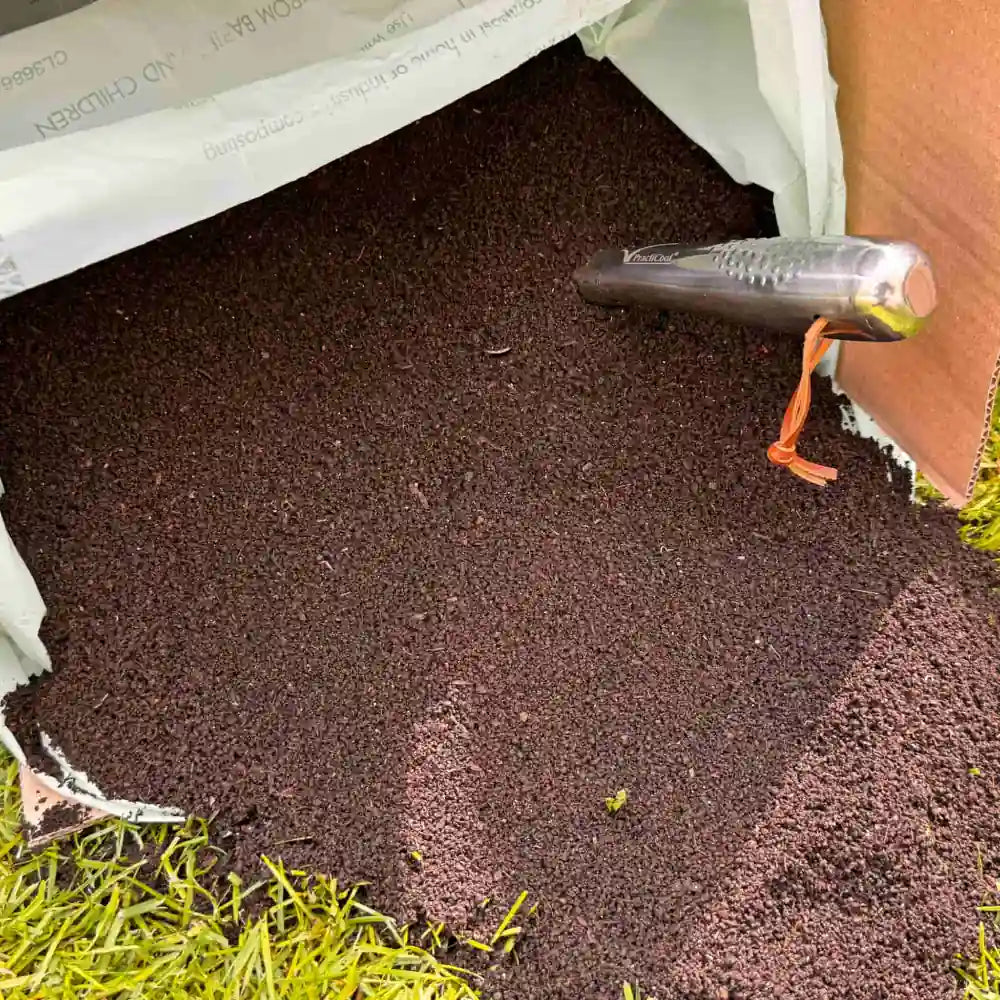
If you want to see what genuinely healthy soil looks like — the kind that smells earthy and rich and alive — our Wormi Vermi organic vermicompost is hand-harvested right here in Yorkshire. 100% peat-free, 100% organic, and full of the microbial life your plants are after. Delivered tracked to your door.