Basket
0
How to Store Worms for Axolotls (So They Actually Stay Alive)
You've just opened a fresh bag of dendrobaena worms and they're lively, wriggling, perfect. Job done, right? Well, almost. How you store them from this point is the difference between worms that last three, four, even six weeks, and a sad soggy mess you're binning by Friday.
I've kept worms for years. I run a live worm farm in Yorkshire. And the questions I get asked most aren't about which worms to buy. It's what to do with them once they arrive. So let's sort that out properly.
What you actually need
You don't need much. A Worm Keeper Box is genuinely the easiest way to do this. It's ventilated, the right size, and designed for exactly this job. That said, any plastic tub with holes drilled in the lid works fine if you want to DIY it. The worms don't care about branding. They care about moisture, airflow, and not being sat next to something rotting.

Getting the fill level right
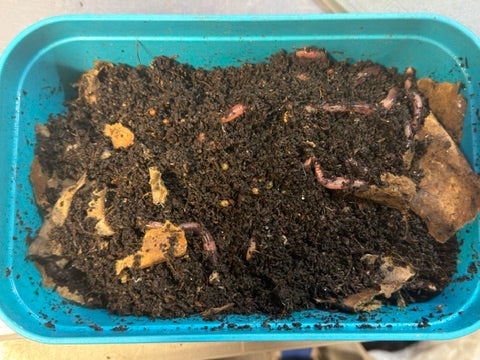
When you tip your worms into the keeper, the bedding level wants to sit roughly halfway up the box. Not crammed in, not rattling around with loads of empty space. Halfway. That gives the worms room to move vertically (which they will, constantly) and enough bedding mass to hold a stable moisture level without drying out too fast.
The squeeze test (this one's important)
Moisture is everything with live worms. Too dry and they dehydrate and die. Too wet and you're breeding bacteria, the bedding goes anaerobic. Here's the thing that surprises people: worms actually love moisture and can survive for days submerged in water. The problem isn't the water itself. It's that waterlogged bedding quickly uses up all the available oxygen, and without oxygen, the whole thing turns into a foul-smelling swamp. Unless you're in there mixing it up every few hours, that's impossible to rescue in a small keeper. So err on the side of caution. Damp is wet enough, especially in a lidded container where humidity stays high anyway.
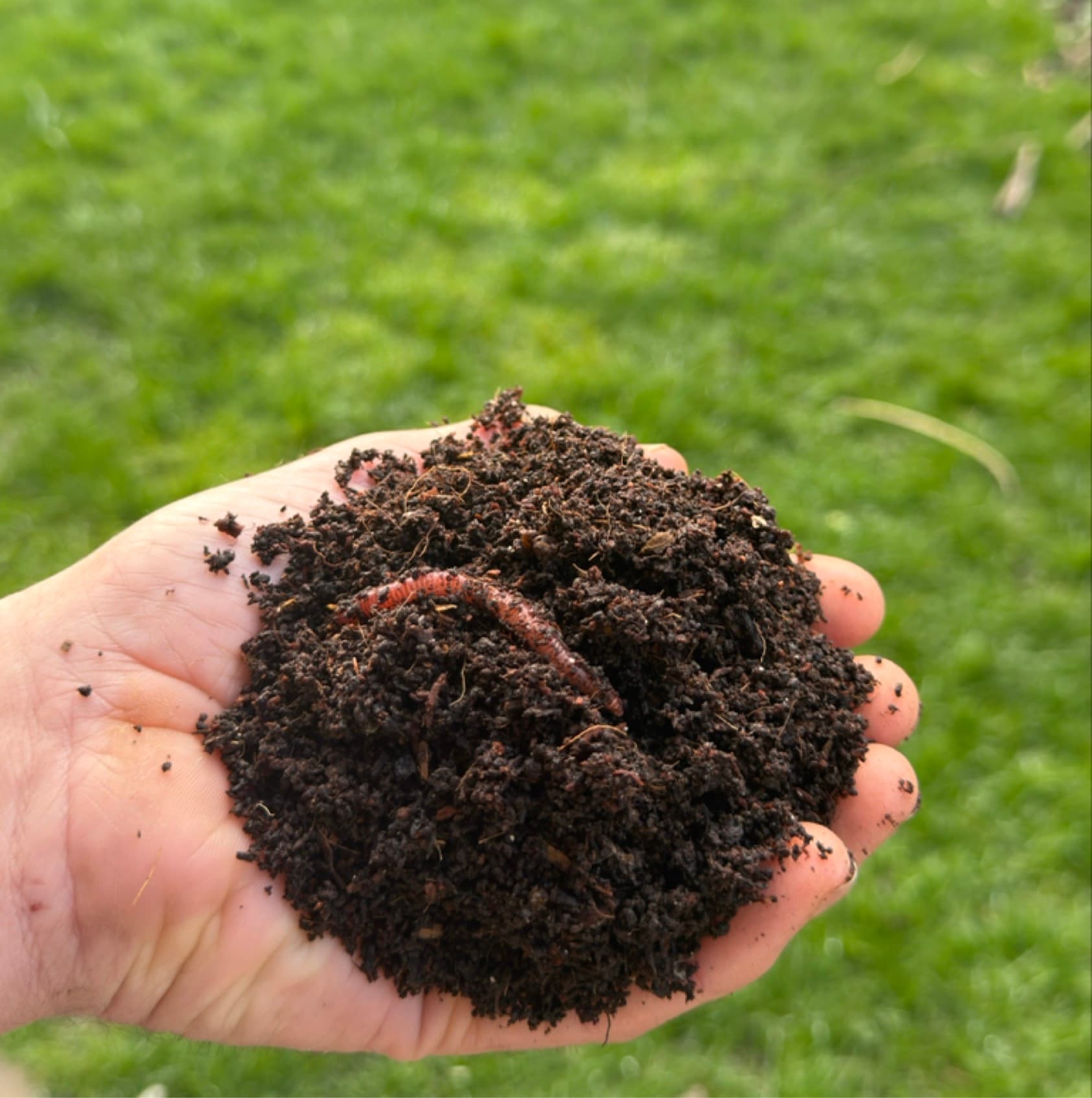
Here's how to check it. Grab a handful of bedding and squeeze it firmly. When you open your hand it should hold its shape, like a slightly damp sandcastle. Then give it a little prod with your finger. It should crumble apart easily. That's the sweet spot. Moist enough to hold together, loose enough to fall apart when disturbed.
If it's dripping water when you squeeze, it's too wet. If it just crumbles immediately with no shape at all, it's too dry.
If it's too wet
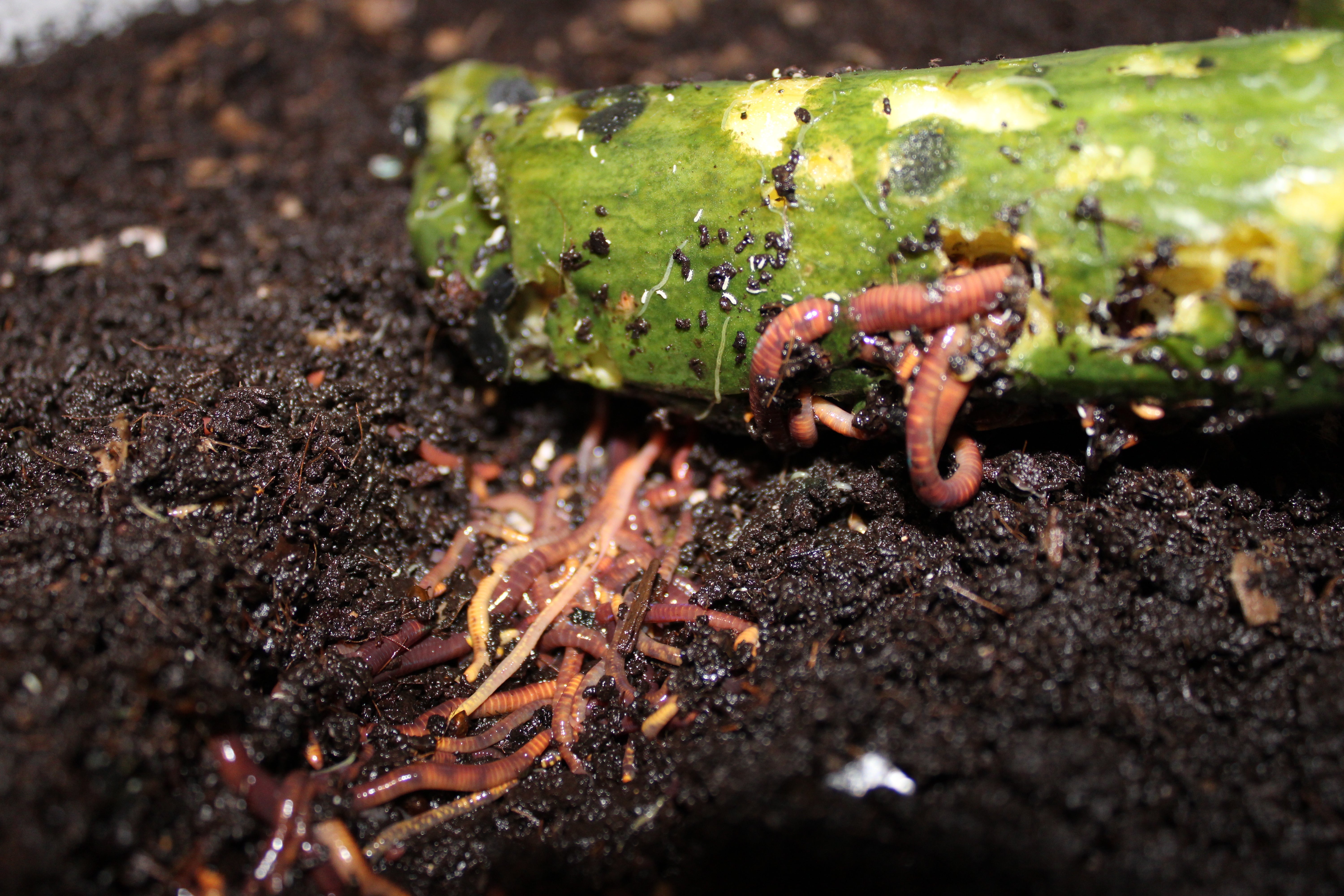
Add some dry, ripped-up cardboard and mix it through the bedding. Cardboard is brilliant for this because it absorbs excess moisture while giving the worms something to burrow through and feed on. Check the next day again.
If it's too dry
Mist lightly with a spray bottle of plain water. Tap water is fine, though if you leave it overnight to off-gas the chlorine, even better. Don't drench it. A few passes with the mist setting is enough. Mix it through gently and check again in an hour.
Feeding them while they're in storage
Your worms don't need much food while they're waiting to be used. They're not actively composting, they're just ticking over. But a little Worm Chow goes a long way.
Sprinkle a small amount on top of the bedding. We're talking a light dusting, not a meal. Then, every few days, gently mix it into the top layer of bedding. That's it. The worms will find it. You're not trying to fatten them up, you're just keeping them in good condition so they're lively and nutritious when feeding time comes for your axolotl.
Overfeeding is a real trap here. Too much food sitting in a small keeper gets warm, rots, and very quickly makes the whole thing smell wrong. Less is more.
The smell test
A healthy worm keeper should smell like soil after rain. That slightly sweet, earthy, alive smell, like a forest floor or a bag of proper compost. If you know, you know.
If it smells sour, sulphurous, or just genuinely unpleasant, something's off. Nine times out of ten, it's too much moisture, too much food, or both. Open the lid, let it breathe, pull out any uneaten food you can see, and add some dry torn cardboard to soak up the excess. Give it 24 hours. The smell should come right. you can never hav etoo much cardboard.
Checking for dead worms
Every few days (more often if it's warm), have a gentle rummage through the bedding and pull out any dead worms you find. Dead worms break down fast, and they'll foul the bedding quickly if left in there. A dead worm goes from fine to liquid mess in about 24 hours in a warm keeper, and that smell gets into everything.
You'll know a dead worm easily enough. Limp, pale, not reacting to touch. But worth knowing: if your worms are moving slowly or seem very still, don't panic. Cold worms do that. A chilled dendrobaena can look almost lifeless, but if it's still plump and firm to the touch, it's fine. Warm the keeper up a little and they'll come back to life quickly. We get messages from customers saying their worms have arrived dead, when really they've just been sitting in a cold van for a few hours.
A genuinely dead worm is a different thing entirely. Limp and soft with no resistance, often discoloured or starting to break down. Pick it up and it won't react at all. That one comes out. Everything else, give the benefit of the doubt.
Where to keep the keeper
Somewhere cool and stable. A kitchen cupboard, a utility room, and a garage in summer. Dendrobaena do best between about 8°C and 20°C. They'll survive colder, but they slow right down. They won't survive sustained heat. Above 25°C, and you'll start losing them fast.
Out of direct sunlight. Away from radiators. If your house runs warm, a cool, dark cupboard is ideal.
How long will they last?
Looked after properly, a batch of Dendrobaena worms won't just survive in a keeper, they'll thrive. We're not talking weeks here. I've got a box I keep to show customers where the worms have been living for six months, mating, laying cocoons, going about their business. Worms kept in the right conditions can live for years. The keeper becomes a little self-sustaining ecosystem. All you're doing is maintaining the environment. Damp cardboard is your friend here.
The main killers are heat, overwatering, and neglect. None of those are hard to avoid once you've got the routine down. Check them every couple of days, do the squeeze test, give the keeper a sniff. It becomes second nature fast.
Quick reference
- Fill level: halfway up the keeper
- Moisture: squeeze holds shape, falls apart when touched
- Too wet: add damp cardboard, leave lid ajar
- Too dry: mist lightly, mix through
- Food: light sprinkle of worm chow, mixed in every few days
- Smell: earthy is good, foul means something's wrong
- Dead worms: remove as you find them
- Temperature: 8 to 20°C, out of sunlight and away from heat
Get those basics right and your worms will stay in great condition between feeds. Lively worms are more nutritious, more tempting to your axolotl, and more satisfying to watch disappear. Worth the five-minute check every couple of days.
For more on feeding itself, how much, how often, and what size worms for different ages, the Axolotl Feeding Guide has everything you need.
Ready to stock up?
Fresh Dendrobaena worms, delivered live to your door. Order your axolotl worms here.