Basket
0
Axolotls 101: A Real-Talk Guide to Keeping Your "Water Puppy" Happy
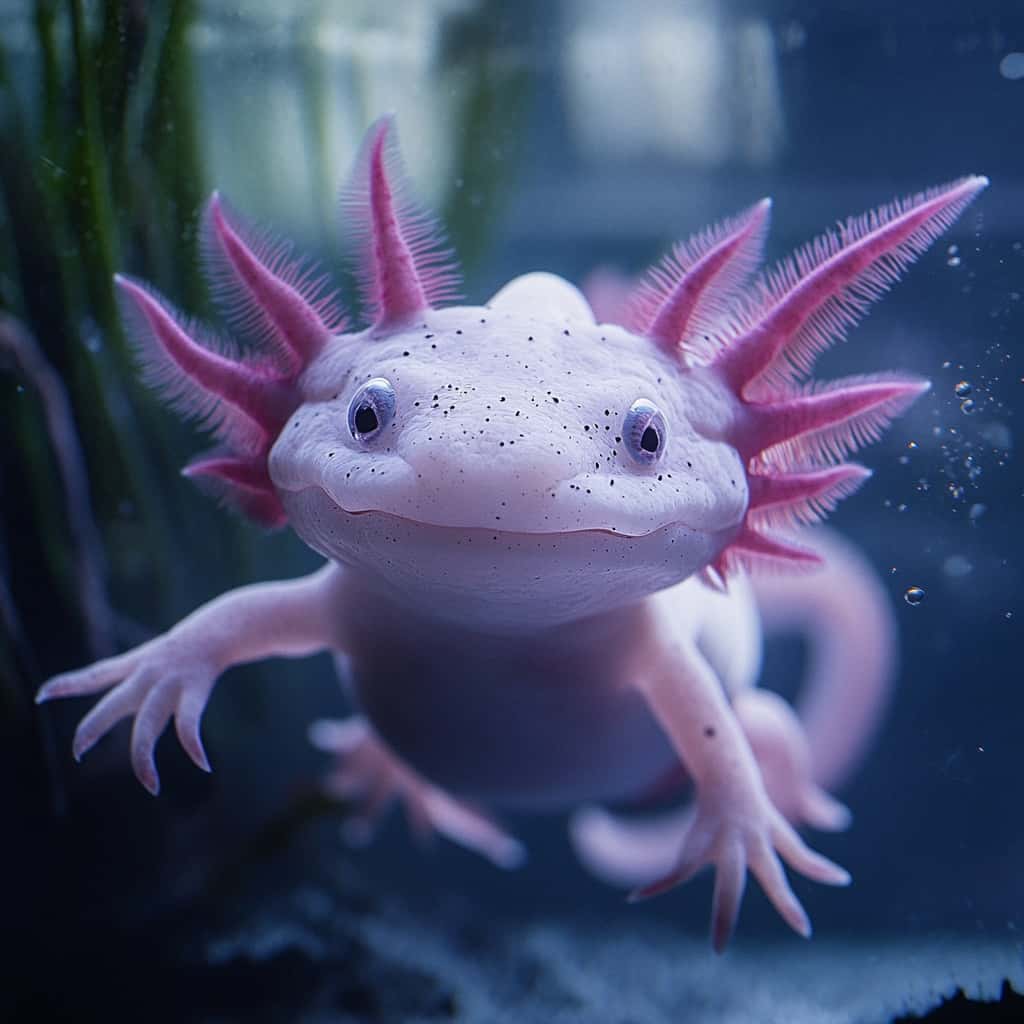
Axolotls are adorable, weird little creatures that look like they are always smiling. It is easy to see why people fall in love with them. They are popping up everywhere lately, from TikTok to Minecraft, and if you are thinking of getting one, I do not blame you!
However, here is the truth. Owning an axolotl is nothing like having a goldfish. They need a specific setup, regular care, and some science-y stuff too, like water testing. Do not worry because it is not as scary as it sounds. I have gathered the essential facts you need to know. No fluff, just what works.
Is an Axolotl Right for You?
Before diving into tanks and filters, ask yourself one question: Am I ready to care for a pet that could live for 15 years? That is right. With proper care, axolotls can live just as long as cats and dogs.
They are not "easy pets." You will need to:
- Commit to the cost: Between electricity, water conditioners, and testing kits, the monthly upkeep can reach up to £100.
- Manage the environment: You must keep their tank cold year-round and understand the water chemistry.
- Handle the mess: These guys have a large bioload, which basically means they produce a lot of dirty waste.
If you are getting one for your child, know that the day-to-day care will likely fall to you. Kids can help, but the technical bits, like testing water or treating illness, need an adult's input.
Setting Up Your Tank
Tank Size Matters
Axolotls grow big. They can grow to an average of 1 foot (30cm) and can reach up to 15 inches. A small tank simply will not cut it.
Here is the golden rule for sizing:
- One axolotl: You need a minimum of 90 litres (approx. 2.5 feet long).
- Two axolotls: Add an extra 45 litres and another foot of length.
- Shape: Always prioritise length over height. Axolotls are bottom dwellers who need floor space to walk, not height to swim.
A quick note on roommates: Axolotls should be kept with same-sex and same-size companions only. Males can be aggressive with females, often breeding them to exhaustion. Larger axolotls may also nip at smaller ones or see them as food.
Filtration & Flow
Because axolotls are messy, you need a filter rated for twice your tank's volume to handle the toxic waste. However, they hate strong currents. High flow stresses them out, so use a spray bar or sponges to baffle the water output.
Substrate & Decorations
Axolotls eat by sucking in food like little hoovers. If you have gravel or tiny decorations, they will suck those up too. This causes impaction, which is a serious and often fatal blockage.
What works best:
- Bare-bottom tanks: These are the easiest to keep clean.
- Fine sand: Use sand with a grain size under 1mm. Only use sand once your axolotl is over 5 to 6 inches long.
- Decor: Use big, smooth rocks, slate, or hides larger than the axolotl's head (approximately the size of a fist).
- Plants: Live plants like Java Fern or Anubias are great, but you must quarantine them for 2 to 3 weeks first to avoid introducing pests or chemicals.
Water Quality 101
This is where things get serious. Axolotls absorb everything through their skin, so your tank water needs to be spot-on.
Target levels to aim for:
- Temperature: 16–18°C is perfect. Anything over 21°C is dangerous.
- pH: 7.4–7.6 is ideal, though 7.0–8.0 is acceptable.
- Ammonia & Nitrite: These must always be 0 ppm.
- Nitrate: Keep this between 5–20 ppm.
- Water Hardness: Axolotls prefer slightly hard water rich in minerals. If you live in a soft water area, you may need to add minerals.
Get a liquid test kit, such as the API Freshwater Master Test Kit. Strips are often inaccurate, and a liquid kit is a vital tool that could save your pet's life.
How to Cycle Your Tank (No, Not With a Bike)
If you skip this step, you are putting your axolotl in toxic soup. Cycling builds good bacteria in your filter that eat dangerous ammonia and nitrites, turning them into safer nitrates.
The Cycling Process:
- Fill the tank with dechlorinated water (products like Seachem Prime are great).
- Add liquid ammonia (like Dr Timms) to reach 4 ppm.
- Test daily. You want to keep pH above 7.0 and ammonia at 4 ppm.
- Wait. This process takes patience and usually lasts 4 to 10 weeks.
- Your tank is ready when ammonia and nitrite both read 0 ppm within 24 hours of dosing, and nitrates are present.
Once cycled, do a large water change to bring nitrates down, and then you are ready to welcome your friend home. We have also written a detailed step-by-step guide to fishless cycling an axolotl tank if you want to go deeper on this.
Feeding Time: What's on the Menu?
Short answer: worms. Long answer: a variety, but mostly worms. For the full breakdown, read our complete axolotl feeding guide.
The best staple foods:
- Dendrobaena worms: These are the gold standard for nutrition. High protein, natural moisture, and no additives — exactly what axolotls eat in the wild.
- Repashy Grub Pie: A great backup option.
- Pellets: Good for variety; feed about 1 to 2 pellets per inch of axolotl.
Treats (Feed sparingly!):
- Bloodworms: Tasty but low in nutrition.
- Waxworms: Very fatty.
- Raw prawn meat: Thawed and chopped.
Feeding Schedule:
- Babies (Hatched to 1.5"): Live food available 24/7.
- Juveniles (up to 9 months): Feed 2 to 3 times a day.
- Adults (9 months+): Feed once daily or every other day.
One thing worth knowing about Dendrobaena worms specifically — they naturally release a mild defensive secretion that some axolotls notice. If yours spits them out at first, just rinse the worms in cool dechlorinated water and pat dry before feeding. Most axolotls accept them quickly once introduced properly.
Spotting Trouble Early
Axolotls are good at hiding issues, so small changes matter.
Watch for:
- Curled gills: If the gill stalks curve forward like candy canes, your axolotl is stressed.
- Floating: If they cannot swim down, they might be constipated or have trapped air.
- Fungus: This appears as a white, cottony growth, often caused by poor water quality or heat.
The "Tubbing" Method: If your axolotl looks sick or your tank cycle crashes, "tub" them. Place them in a food-safe plastic container with fresh, cool, dechlorinated water. You must change 100% of the water in the tub daily. This keeps them safe and clean while you fix the main tank.
Summer Tip: Keeping It Cool
UK summers combined with indoor tanks can equal danger. Axolotls cannot tolerate heat well.
How to lower the temperature:
- Fans: Clip-on aquarium fans blow across the water surface to increase evaporation and cool the tank.
- Frozen Bottles: Float frozen bottles of dechlorinated water in the tank.
- Chillers: These are expensive but are the most reliable way to keep water at a steady 15–18°C.
- Location: Keep the tank away from direct sunlight and windows.
Final Thoughts
Are you still keen on getting an axolotl? I hope so! They are among the most rewarding pets you can have if you are ready to do the prep. Watching them eat, regenerate a limb, or just float around is fascinating.
It is not "easy," but it is doable. If you take it step by step and keep the water clean, you will have a slimy little best friend for years to come.
When you're ready to start feeding, our live Dendrobaena worms are trusted by axolotl keepers across the UK — farm-grown in Yorkshire and delivered tracked to your door. Guaranteed live arrival, no quibble refund or resend if anything goes wrong.