Basket
0
Most people assume that shipping live creatures is a race against the clock. And it can be. But recently, a simple human error—a mistake on a postage label—became a 42-day endurance test I never intended to run.
What a plonker!
Seven weeks ago, I sent out a parcel of our premium compost worms. Due to a misplaced label (and a bit of a rushed morning), a package received the wrong label. Instead of reaching the customer’s garden, it entered a "postal limbo" . The customer got in touch after a couple of days, and I sent her some fresh worms because the parcel had not arrived. It eventually returned to me 42 days later.
I’ll be honest: my heart sank when I received a phone call from a member of staff saying a box had been returned. I was prepared to open it and find nothing but a stinky mess.
The Big Reveal: Resilience in Real-Time
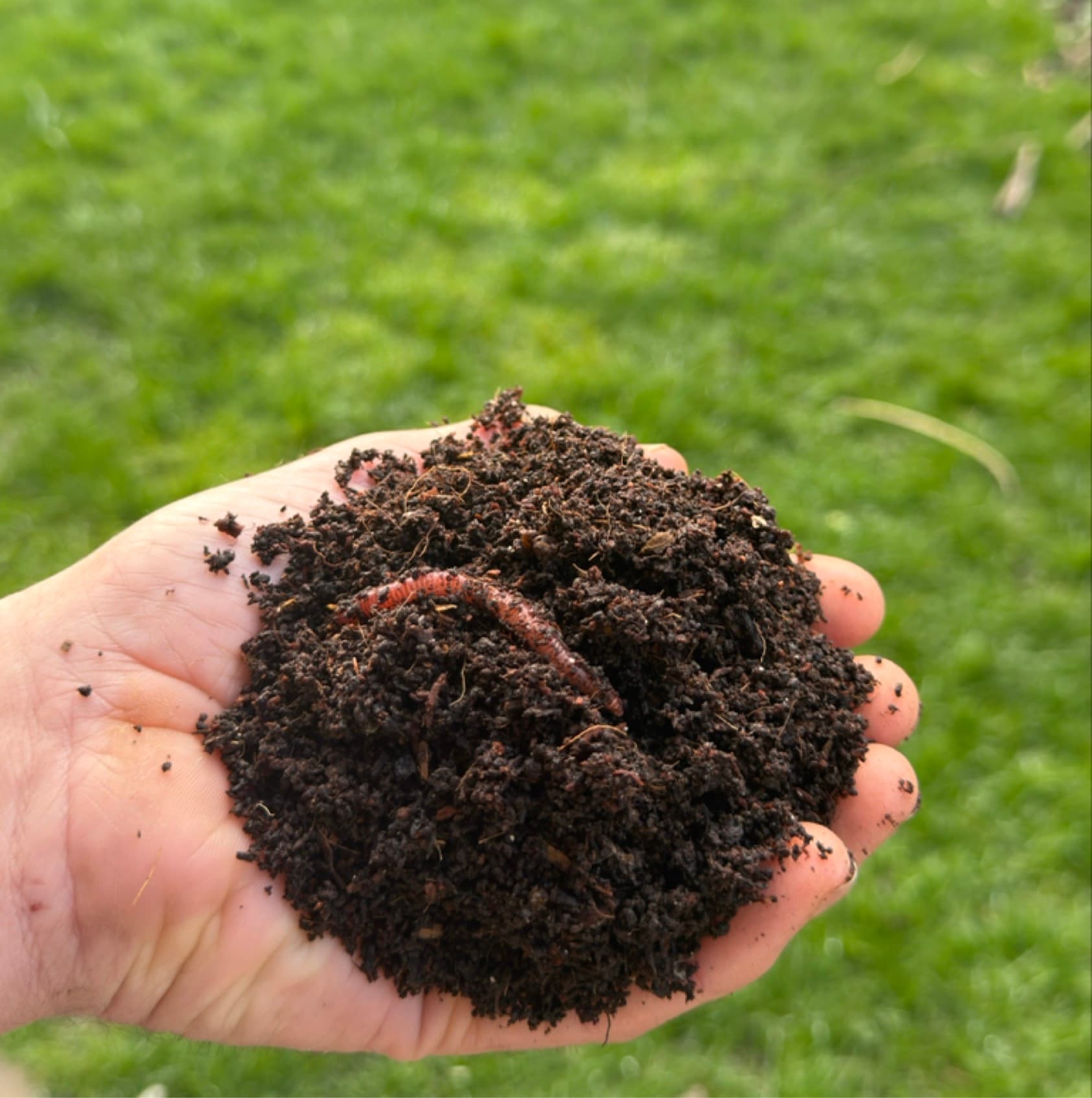
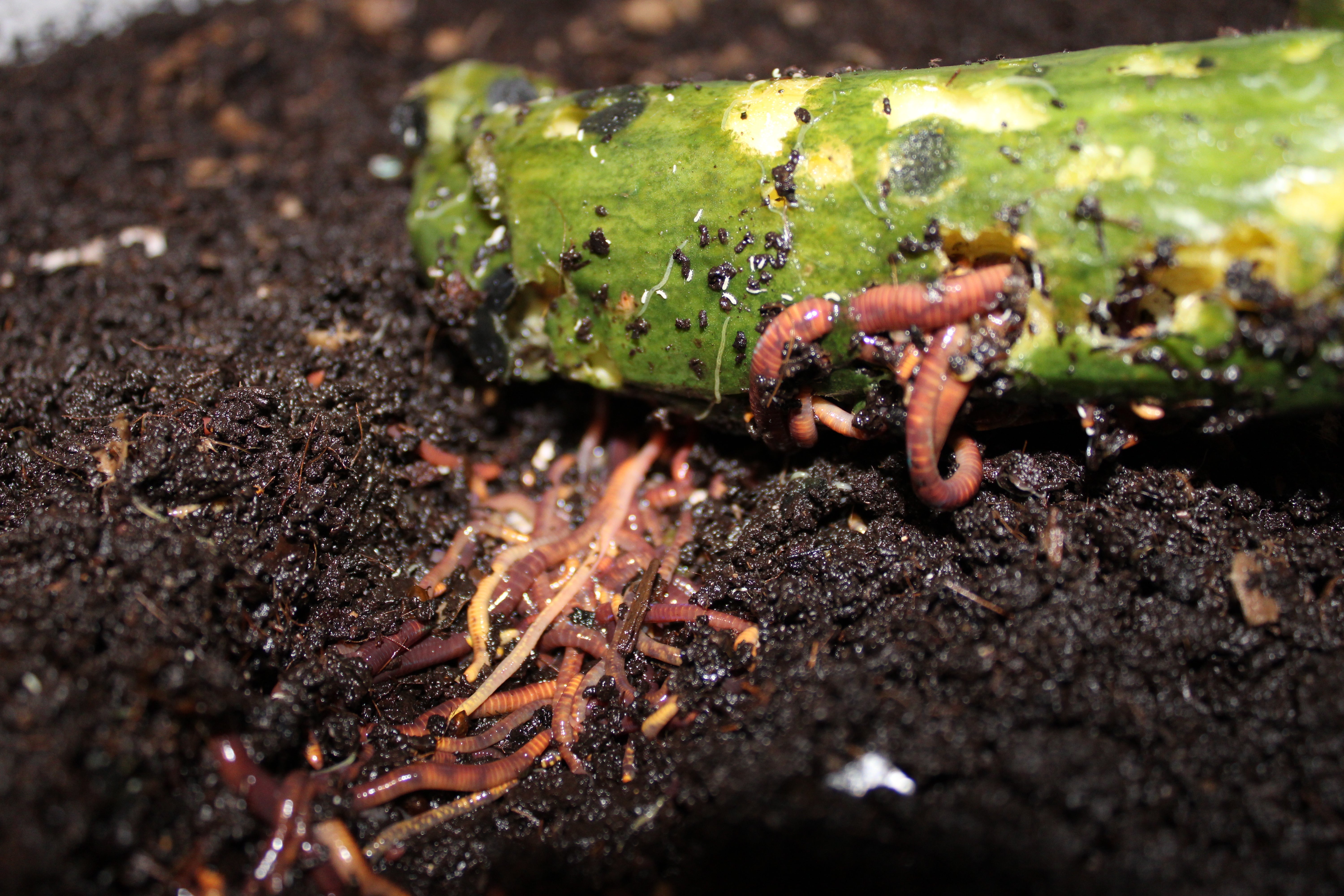
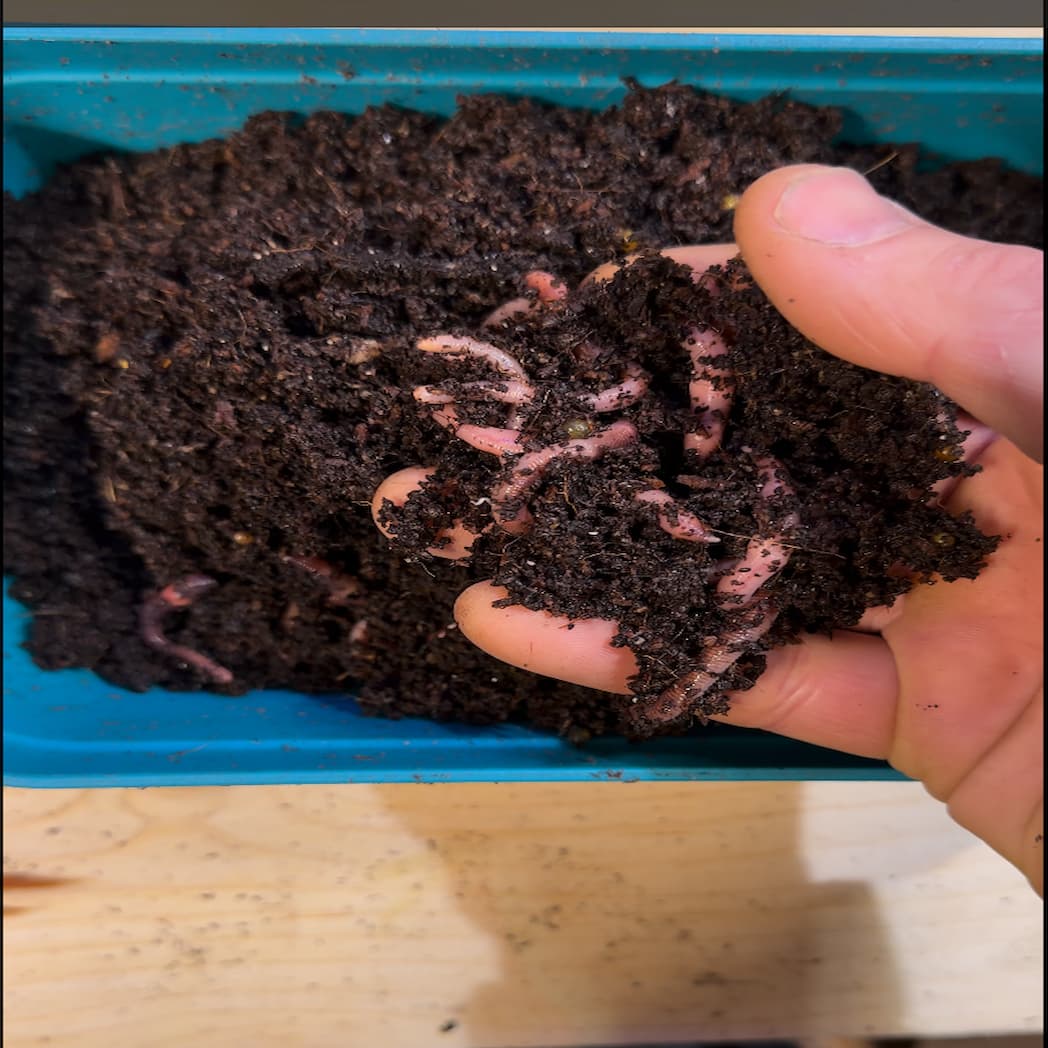
When I opened the lid, I was stunned. Despite being packed in a box in a local sorting office somewhere for over a month with no fresh food or extra moisture, 80% of the worms were alive, active, and healthy.
So, how did they do it? This "accident" actually highlighted exactly why we use the specific shipping methods we do:
-
The Right Bedding: We pack our worms plenty of coco coir. This retains moisture for weeks, even in dry sorting facilities.
-
Breathable Packaging: Using breathable bags allows for gas exchange without letting the worms escape or dry out.
-
Worm Health: Healthy, well-fed worms, so even though they had lost weight they still survived.
This accidental experiment proves that these creatures are far more resilient than we give them credit for. If our worms can survive weeks in a cardboard box during a postage mishap, imagine how well they will thrive in your worm farm!
3 Tips for Recovering "Stressed" Worms
Whether your worms have had a long journey in the post or you’ve accidentally neglected your bin for a few weeks, worms are tough. Here is how to help them bounce back, based on what we learned from our survivors:
-
Hydration is Hero: The first thing worms lose in transit is moisture. If your worms arrive looking sluggish or dry, gently mist them with dechlorinated water immediately. Don't worry about them being too wet at this point; they need the moisture.
-
Don't Rush the Food: A stressed worm has a slow metabolism. Do not bury them in food scraps right away. Let them settle into their new bedding for 24–48 hours before offering their first meal.
-
Keep it Dark: Light equals danger to a worm. After a stressful event (like shipping or harvesting), keep the bin lid on or cover the bedding with a damp hessian sack/newspaper to make them feel safe and secure.