Basket
0
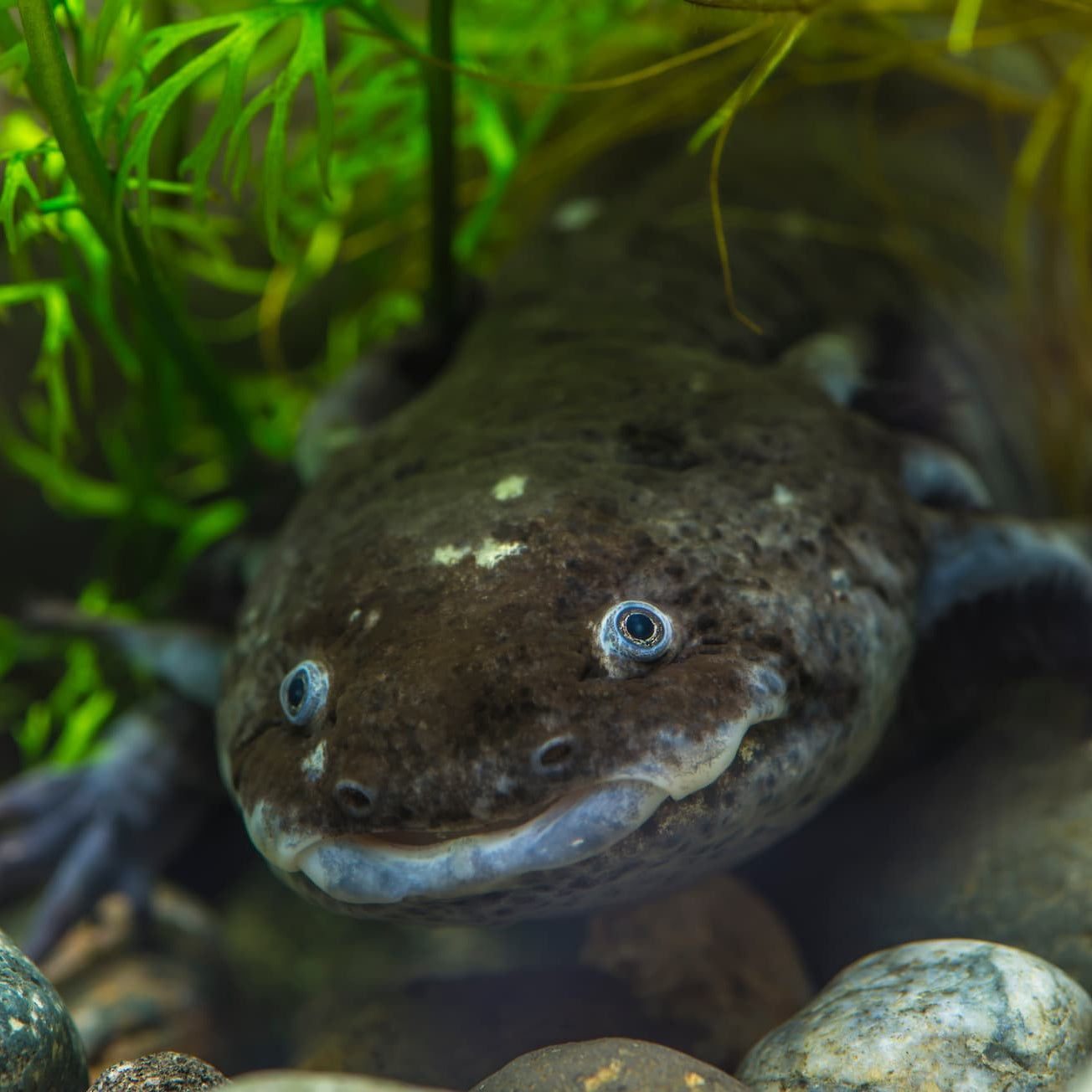
If you have a child under 12 or spend any significant time on TikTok, you know precisely what an axolotl is.
With their permanent, dopey smiles and feathery pink gills, they are the internet's favourite amphibian. They are the stars of Minecraft updates, the inspiration for Squishmallows, and the "it" pet for aquarium enthusiasts. We have printed their faces on millions of t-shirts, backpacks, and stickers.
We love them. We are obsessed with them. There are likely millions of them currently living in glass tanks in bedrooms across the world.
But here is the devastating paradox: While the axolotl is everywhere in our culture, it is essentially gone from the planet.
According to startling data from the National Autonomous University of Mexico (UNAM), the wild axolotl population is dangerously close to zero. How did we end up with a creature that is simultaneously globally abundant and critically endangered?
The "Golden Hamster" Effect: Pet vs. Wild Axolotls
The bright pink, smiling creature you see in pet stores is a different beast than the one nature intended.
Most pet axolotls are leucistic (a mutation causing pink/white skin). In the wild, axolotls are a muddy, speckled black-brown. This dark colouring is essential camouflage, allowing them to blend into the murky lake bottom and hide from predators.
Furthermore, the global captive population descends from a tiny genetic pool — essentially, the amphibian equivalent of purebred Pugs. They are inbred, highly domesticated, and biologically distinct from their wild cousins.
We cannot simply take our pet axolotls and dump them back into Mexico to "save" the species. They wouldn't last five minutes against local predators.
If you are thinking about getting one as a pet, it is worth understanding what responsible axolotl ownership actually involves — they are far more demanding than most people expect.
The Tragedy of Xochimilco: Where Do Axolotls Live?
To understand why they are disappearing, you have to look at their home. The wild axolotl (Ambystoma mexicanum) is native to exactly one place on Earth: the ancient canal system of Xochimilco in Mexico City.
This is all that remains of the vast Lake Texcoco that the Aztecs built their empire upon. Today, Xochimilco is a shrinking UNESCO World Heritage site plagued by three major threats:
- Urbanisation: Runoff and pollution from one of the world's biggest cities degrade water quality.
- Climate Change: Rising temperatures stress these cold-water creatures.
- Invasive Species: This is the most immediate threat. Carp and Tilapia were introduced into the canals years ago for fishing. Unfortunately, these fish view axolotl eggs as a delicious buffet.
The Numbers: In 1998, researchers estimated there were 6,000 axolotls per square kilometer in Xochimilco. By 2014, that number dropped to 36. In recent censuses, finding a single wild individual has become a needle-in-a-haystack mission.
The Solution: Ancient Tech for a Modern Problem
So, is the axolotl doomed to exist only in fish tanks? Not quite.
Scientists at UNAM and local farmers (chinamperos) are working on a brilliant, low-tech solution. They are reviving the ancient Aztec agricultural system known as Chinampas (floating gardens).
Because they cannot fix the entire lake overnight, they are building "refuges." They block off specific canals with natural bio-filters made of native plants. These filters allow water to flow through but are thick enough to block the invasive carp and tilapia.
Inside these safe zones, the water is cleaner, and the axolotls can breed without their eggs being eaten by the invasive fish. It is a desperate, beautiful attempt to hold the line using indigenous technology.
How to Help: The "AdoptAxolotl" Campaign
It is easy to feel helpless when reading about extinction, but because the axolotl is so popular, there is actually a massive infrastructure to help them.
The most effective thing you can do isn't buying a pet (which requires complex care and a solid understanding of water chemistry and diet). It's virtual adoption.
The AdoptAxolotl Campaign, run by the biologists saving them, allows you to "adopt" a wild axolotl or sponsor a refuge.
- What it costs: A "virtual dinner" donation is roughly $10 USD.
- Where it goes: Your money goes directly to buying water filters, monitoring equipment, and paying the farmers who maintain the canals.
The axolotl has a biological superpower: it can regenerate its own heart, spine, and brain. It is the master of second chances. Hopefully, with a bit of help from the humans who claim to love them so much, we can give them one more.
Already an axolotl keeper? The best thing you can do for your pet is feed them well. In the wild, axolotls eat live worms, insect larvae, and small aquatic prey. Our UK-grown Dendrobaena worms are the closest thing to their natural diet — farm-fresh, tracked delivery, and guaranteed live on arrival. And for a full guide to what axolotls can safely eat, head to our axolotl feeding guide.