

Basket
0
Wormi Vermi
Everything your axolotl needs, in one place.
From live Dendrobaena worms to water care essentials, we've pulled together the full range so you can stop searching and start doing right by your axie. Farmed right here in Yorkshire. Delivered fresh to your door.


New to axolotls? Start here
Axolotl Tank Cycling Kit
Test kits, ammonia, dechlorinator and the tools to get your tank cycled and ready for moving day, all in one box. From £74.99, free UK delivery.
See what's in the kitHand picked for your axie
Everything here is tried, tested, and trusted by axolotl keepers across the UK. Stock up on the essentials or grab something new.


Add to Basket


Add to Basket
Add to Basket
Add to Basket
Add to Basket


Add to Basket

Add to Basket


Add to Basket


Add to Basket


Add to Basket


Add to Basket


Add to Basket


Add to Basket


Add to Basket
Your Questions, Answered
Are Dendrobaena worms the same as night crawlers?
Yes. Dendrobaena veneta — the worm we farm and sell — is the species most commonly sold as nightcrawlers or nightcrawler worms for axolotl feeding in the UK. Same worm, different name. If you've been searching for night crawlers for your axolotl, you're in the right place.
What do axolotls eat?
Axolotls are carnivores and thrive on a diet of live, protein-rich food. The best option for UK keepers is live Dendrobaena worms — high in protein, soft-bodied for easy digestion, and the closest thing to what an axolotl would hunt in the wild. For a convenient alternative or supplement, NT Labs Pro-F Axolotl Pellets are a specialist formulation available in junior and adult sizes, making them suitable for axolotls at every life stage. A combination of live worms and quality pellets gives your axolotl the best of both worlds.
Do I need to dechlorinate water for an axolotl tank?
Yes, always. UK tap water contains chlorine and chloramine, both of which damage axolotl gills over time. Every drop of tap water that goes into your tank — whether for setup or water changes — needs to be treated with a dechlorinator first. It takes seconds and is one of the most important habits you can build as an axolotl keeper.
How do I test my axolotl tank water?
You need to monitor ammonia, nitrite, nitrate, and pH regularly. Ammonia and nitrite should always read zero in a properly cycled tank. Nitrate should stay below 20ppm with regular water changes. The ideal pH for axolotls is 7.0 to 7.8. A liquid test kit is far more accurate than test strips and is what most experienced keepers rely on. Testing weekly in the beginning after you have cycled your tank— and immediately if your axolotl seems off — is the single best way to catch problems early.
What is an axolotl bath and when should I use one?
An axolotl bath is a short soak in a medicated solution used to treat skin infections, fungal growth, or bacterial issues — most commonly the white fluffy fungus that can appear on gills or body. Done in a separate cool container for 10 to 15 minutes, it is a gentle and effective first response to common axolotl health problems before escalating to a vet visit.
What do I need to get started with an axolotl?
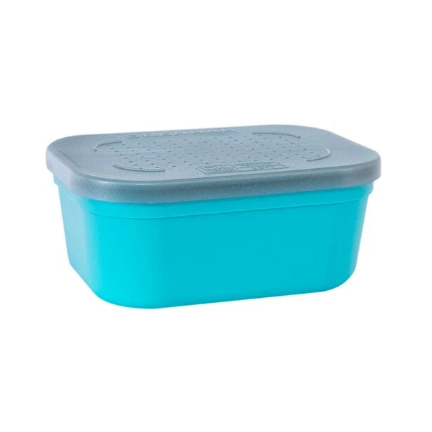
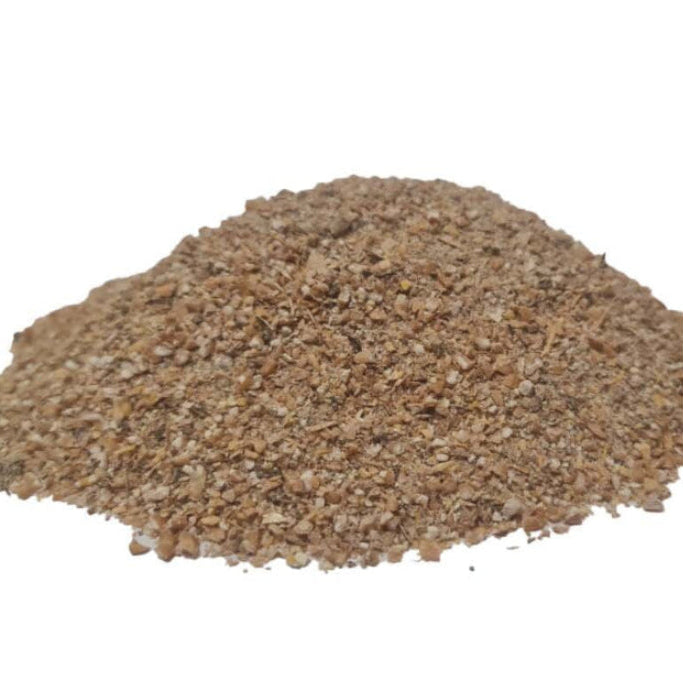
The essentials are: a tank of at least 90 litres for one adult, a gentle filter rated at twice the size as your tank,(Axolotls produce a high bio-load, so a filter rated for twice your tank volume ensures the water stays safe and clear). A water test kit, a dechlorinator for water changes, and a reliable food source. Live Dendrobaena worms are the gold standard for feeding, and NT Labs Pro-F Axolotl Pellets — available in junior and adult formulas — are an excellent specialist pellet to use alongside them. A worm keeper box and worm chow will keep your live food healthy between feedings and reduce waste. Get your water quality right from day one, and everything else falls into place.